Source Double Tempered Awning Glass Window for Homes, Offices, and Showrooms
Compare 30 Double Tempered Awning Glass Window options featuring heat insulation, soundproofing, and waterproofing. Buyers can evaluate aluminum alloy frames, customization availability, and delivery times ranging from 25 to 35 days for various applications.
Key considerations
Products List


Aluminum Awning Windows Awning Window Double Glazed Glass Aluminum Windows
$70.00 - $128.00
MOQ: 1 Square Meters


Standard Aluminum Awning Windows Double Tempered Glass Windows and Doors
$70.00 - $128.00
MOQ: 1 Square Meters


Double Glazed Tempered Glass Awning Window Thermal Break Window
$128.00 - $168.00
MOQ: 2 Square Meters


Aluminum Large Double Triple Glass Windows Awning Casement Window
$90.00 - $150.00
MOQ: 2 Square Meters


Double Glazing Aluminium Casement Window with Tilt and Turn Window
$50.00 - $145.00
MOQ: 1 Square Meters


Double Glazed Tempered Glass Awning Window Thermal Break Window Aluminum Frame
$45.00
MOQ: 1 Square Meters


Tempered Glass Double Glazed Skylight Roof Aluminum Awning Window for Residential
$150.00 - $200.00
MOQ: 2 Square Meters


Aluminium Tempered Glass Hurricane Impact Awning Roof Windows Skylight Window
$150.00 - $200.00
MOQ: 2 Square Meters
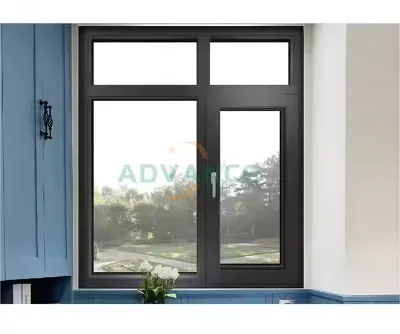

Aluminum Double Glass Awning Window with Thermal Break for Residential House
$45.00 - $155.00
MOQ: 10 Square Meters

High Quality Aluminum Awning Window Double Glass Window with Tinted Glass
$100.00 - $200.00
MOQ: 10 Square Meters
Comprehensive Sourcing Guide
Strategic Sourcing Guide for Double Tempered Awning Glass Windows
The global construction and renovation markets have increasingly prioritized energy efficiency, security, and aesthetic versatility in fenestration solutions. Among the diverse array of window technologies available, the Double Tempered Awning Glass Window has emerged as a critical component for modern building envelopes. This specific configuration combines the operational benefits of an awning-style opening mechanism with the structural integrity and safety provided by double-tempered glass. For procurement professionals, understanding the nuanced technical specifications, compliance requirements, and supply chain dynamics of this product is essential for mitigating risk and ensuring long-term performance. This guide provides a comprehensive framework for sourcing these units, grounded in observed market data and verified product attributes.
Technical Specifications and Structural Composition
The foundational element of a high-performance awning window is its frame material and glass composition. Market observations indicate that aluminum alloy is the predominant choice for the frame material in this category. Aluminum offers an optimal balance of strength-to-weight ratio, corrosion resistance, and design flexibility. The surface finishing of these frames typically involves advanced treatments such as powder coating, electrophoresis, fluorocarbon spraying, or anodizing. These processes are not merely aesthetic; they are critical for protecting the structural integrity of the aluminum against environmental degradation, particularly in coastal or industrial regions.
The glass component is the defining feature of the "double tempered" designation. In the context of verified product attributes, this configuration often utilizes double-tempered glass to achieve specific functional outcomes, including sound insulation, waterproofing, and enhanced security. The glass standards observed in the market include AS1288 and AS2208, which govern the safety and performance of glass in building applications. Buyers must verify that the glass thickness and tempering process align with these standards to ensure the window can withstand wind loads and impact forces. The frame design often incorporates a multi-cavity section bar type, which contributes to the window's thermal insulation and soundproofing capabilities.
The opening mechanism is another critical technical specification. While the core keyword specifies "awning," the market data reveals a diversity of opening styles, including swing, folding, and sliding variations. However, the awning style specifically refers to windows that are hinged at the top and open outward from the bottom. This design is particularly effective for ventilation during rain, as the glass acts as a shield, directing water away from the interior. The opening pattern is typically vertical for awning windows, allowing for controlled airflow while maintaining a compact footprint. The security rating for these units is often classified as high, with specific attributes noting "Anti-Theft" and "A" security ratings, indicating robust locking mechanisms and frame rigidity.
Compliance and Certification Verification
Navigating the regulatory landscape is a paramount concern for international procurement. The window industry is governed by a complex web of regional and international standards. Verified product attributes list specific standards such as AS2047, NFRC, and Dade, which relate to wind load resistance, energy performance, and impact resistance. Additionally, glass standards like AS1288 and AS2208 are frequently cited. It is imperative for buyers to confirm that the specific batch of windows being sourced meets the standards required for the destination country. For instance, AS2047 is an Australian standard for windows and doors, while NFRC (National Fenestration Rating Council) is a North American standard.
Certification status is often a point of confusion in the market. While some background information may suggest CE certification, this should not be assumed as a universal fact for all listed products without explicit verification. Buyers must request current, valid certification documents from the supplier for the specific model being purchased. The absence of a specific certification in a product listing does not necessarily imply non-compliance, but it does require the buyer to initiate a verification process. The "Quality: High Quality" attribute observed in listings is a qualitative claim that must be substantiated by third-party test reports. Procurement teams should demand evidence of compliance with local building codes, including wind resistance performance metrics, which in some observed cases range from 3.0 to 3.5 in specific pressure classifications.
Cost Drivers and Pricing Dynamics
The pricing of double tempered awning glass windows is influenced by a complex interplay of material costs, manufacturing complexity, and logistical factors. The observed price range in the market spans from 20 to 200 USD, though this wide variance often reflects differences in size, customization levels, and glass thickness rather than a standard unit price. The cost is heavily driven by the frame material; aluminum alloy is generally more expensive than alternative materials but offers superior durability. The surface treatment process also adds significant cost; fluorocarbon spraying and electrophoresis are premium finishes that command higher prices compared to standard powder coating.
Customization is a major cost driver. The market data indicates that "Customization: Available" is a standard feature, with options for profile color, size, and even surface patterns like wooden textures. Custom orders inevitably increase the unit cost due to the need for specialized tooling and reduced production efficiency. The "Color: as You Request" and "Size: as You Request" attributes highlight the flexibility of the supply chain, but this flexibility comes at a premium. Furthermore, the packing method, which often involves wooden crates with bubble foam or EPE protection, adds to the overall landed cost. Buyers should be aware that the observed MOQ (Minimum Order Quantity) ranges from 1 to 10 units, which allows for smaller procurement runs but may result in higher per-unit costs compared to bulk industrial orders.
Typical Applications and Functional Performance
The functional versatility of double tempered awning windows makes them suitable for a wide range of applications. The primary function of these units is heat insulation and soundproofing, making them ideal for residential buildings in noisy urban environments or commercial spaces requiring climate control. The "Sound Insulation and Waterproof" feature is particularly valuable in regions with high rainfall or humidity. The awning design allows for ventilation even during light rain, a distinct advantage over other opening styles.
In terms of security, these windows are frequently deployed in areas where theft prevention is a priority. The "Anti-Theft" and "A" security rating attributes suggest that these units are robust enough for high-security applications. The "Fireproof" function observed in some product listings indicates that certain configurations may be suitable for commercial buildings or areas with strict fire safety regulations. The "Position: Room" attribute suggests their suitability for interior and exterior room applications, including bedrooms, living areas, and offices. The "Modern" and "European" style attributes indicate that these windows are designed to complement contemporary architectural trends, making them a preferred choice for new construction projects aiming for a sleek, minimalist aesthetic.
Supplier Evaluation and Geographic Considerations
Evaluating suppliers requires a meticulous approach to verifying origin and capability. The market data reveals that production origins are primarily located in China, with specific mentions of Jiangsu, Shanghai, and Huainan. These regions are known for their manufacturing clusters, but buyers must distinguish between the factory location and the trading entity. The "prod_origin" attribute is a critical data point for assessing lead times and logistics. For example, a supplier based in Jiangsu may have different shipping capabilities compared to one in Shanghai.
When evaluating a supplier, buyers should look for evidence of "High Quality" claims backed by tangible metrics. The "Quality: High Quality" attribute is a common marketing term that must be validated through site audits or third-party inspections. Suppliers should demonstrate a clear understanding of the relevant standards, such as AS2047 or NFRC, and provide test reports for wind resistance and water leakage. The "Customized" attribute suggests that the supplier has the flexibility to adapt to specific project requirements, but this capability must be verified through a review of their past projects and engineering capabilities.
Quality Control and Packaging Standards
Quality control is the final line of defense before the product reaches the construction site. The packaging standards observed in the market are rigorous, reflecting the fragility of glass components. Common packaging methods include wooden crates with bubble foam coverage, carton and EPE (Expanded Polyethylene) protection, or a combination of bubble bags and wooden frames. The "prod_packing" attribute often lists multiple layers of protection, such as "Bubble Bag, Bubble Bag + Wooden Frame," ensuring that the windows are shielded from impact and moisture during transit.
Buyers should verify that the packaging meets the specific requirements of the shipping route. Long-distance ocean freight requires robust packaging to prevent saltwater corrosion and physical damage. The "Delivery Time" of 25-35 days is a standard lead time observed in the market, but this can vary based on the level of customization and the supplier's current workload. Quality control checks should include a visual inspection of the frame finish, a verification of the glass tempering marks, and a functional test of the opening mechanism. The "Surface Treatment" attributes, such as powder coating or fluorocarbon spray, should be inspected for uniformity and adhesion to ensure long-term durability.
Long-Term Procurement Considerations
Sourcing double tempered awning glass windows is not merely a transactional activity but a strategic decision that impacts the lifecycle of the building. The long-term performance of these windows depends on the quality of the initial installation and the durability of the materials. The "Heat Insulation" and "Soundproof" functions are critical for maintaining energy efficiency and occupant comfort over decades. Buyers should consider the maintenance requirements of the surface finish; for instance, powder-coated frames may require less maintenance than anodized ones in certain environments.
The "Customization" aspect allows for future adaptability, but it also introduces complexity in the supply chain. If a building requires additional windows or replacements in the future, the supplier must be able to match the original specifications. Therefore, maintaining a relationship with a reliable supplier who can provide consistent quality and accurate customization is vital. The "Security Rating" and "Fireproof" attributes also play a role in long-term liability and insurance considerations. Ensuring that the windows meet the highest safety standards can reduce insurance premiums and enhance the overall value of the property.
In conclusion, the procurement of double tempered awning glass windows requires a balanced approach that considers technical specifications, regulatory compliance, cost factors, and supplier reliability. By adhering to the verified standards and attributes outlined in this guide, buyers can make informed decisions that ensure the safety, efficiency, and aesthetic appeal of their building projects. The market offers a wide range of options, from standard models to highly customized solutions, but the key to success lies in rigorous due diligence and a clear understanding of the product's functional requirements.
FAQs
What materials are used for the frame of these windows?
The frames are constructed from aluminum alloy to ensure strength and corrosion resistance. Surface treatments include powder coating, electrophoresis, and fluorocarbon spraying for enhanced durability.
How is the glass certified for safety and performance?
The glass meets standards such as AS1288 and AS2208 for safety and performance. Double tempered glass is often used to provide sound insulation and waterproofing capabilities.
Can I request custom sizes and colors for these windows?
Yes, customization is available for profile color, size, and surface patterns like wooden textures. Buyers can request specific dimensions and multi-color options to match project requirements.
What is the typical delivery time for orders?
The standard delivery time ranges from 25 to 35 days. This timeline may vary depending on the level of customization and the supplier's current production workload.
Which opening styles are available for awning windows?
Available opening styles include swing, folding, and sliding variations. The awning style specifically features a top hinge design that allows ventilation even during light rain.
How are the windows packed for shipping protection?
Windows are packed in wooden crates with bubble foam or carton and EPE protection. This multi-layer approach ensures the glass and frames are shielded from impact and moisture.